
How to Create a Relaxing Home Workspace for Better Focus

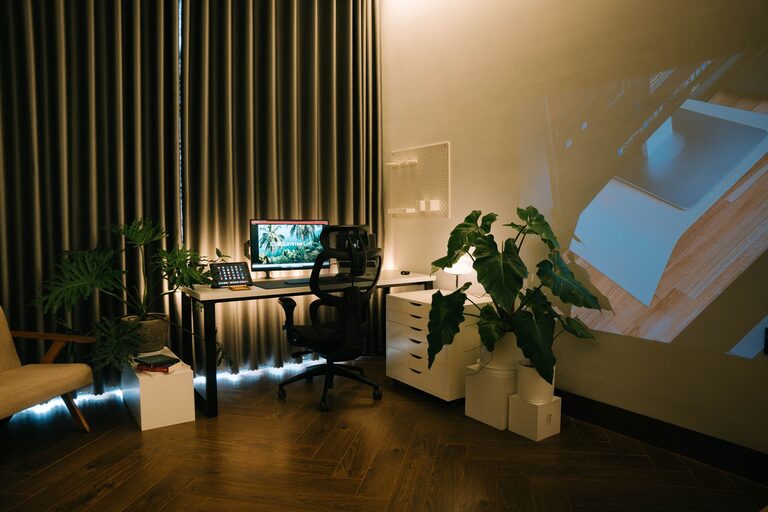
Creating a relaxing home workspace is essential in today’s world, where many people work remotely or spend hours on personal projects at home. A comfortable, calming environment helps reduce stress, improve focus, and increase productivity. If you find your current setup distracting or uninspiring, it might be time to refresh your space.
In this guide, we’ll explore practical ways to design a home workspace that feels peaceful and supports your best work.
Why a Relaxing Workspace Matters
Your environment affects your mindset. A cluttered or uncomfortable workspace can make it harder to concentrate and lead to fatigue or frustration. On the other hand, a well-designed area helps you:
– Stay focused longer
– Feel more motivated
– Maintain better posture
– Reduce anxiety
– Enjoy your workday more
Now, let’s look at how to create this type of space.
Choosing the Right Location
Selecting the best spot in your home sets the foundation for a relaxing workspace.
– Pick a quiet area: Avoid high-traffic zones or noisy rooms. Bedrooms, spare rooms, or corners of your living room can work well.
– Consider natural light: Position your desk near a window if possible. Natural light boosts mood and reduces eye strain.
– Think about privacy: If you share your home, find a location that allows you to focus without interruptions.
Declutter and Organize
A clean and organized workspace promotes calm and efficiency.
– Clear your desk: Keep only the essentials on your work surface.
– Use storage solutions: Shelves, drawers, and containers help keep clutter out of sight.
– Cable management: Use clips or sleeves to tidy up cords and chargers.
Regularly tidying your area can prevent distractions and create a sense of order.
Choose Comfortable and Supportive Furniture
Your furniture impacts your comfort and health during long work sessions.
– Ergonomic chair: Invest in a chair that supports your back and encourages good posture.
– Appropriate desk height: Your desk should allow your arms to rest comfortably without strain. Adjustable desks or standing options can be beneficial.
– Footrests and accessories: If needed, use footrests or cushions to improve comfort.
Comfortable furniture reduces fatigue and helps you stay focused longer.
Add Calming Colors and Décor
The colors and decorations in your space influence your mood and energy.
– Choose soothing colors: Soft blues, greens, or neutrals create a peaceful atmosphere. Avoid overly bright or harsh colors.
– Incorporate plants: Houseplants improve air quality and add a touch of nature that can reduce stress.
– Personal touches: Photos, art, or meaningful objects can make your workspace inviting without causing clutter.
Keep décor minimal to maintain a sense of calm.
Control Lighting Wisely
Proper lighting reduces eye strain and enhances focus.
– Use layered lighting: Combine natural light with task lighting and ambient lighting.
– Desk lamps: Adjustable lamps focused on your work area provide clear visibility.
– Avoid glare: Position screens and lamps to minimize reflections.
Good lighting helps maintain energy and prevents headaches.
Minimize Noise and Distractions
Sound plays a crucial role in your ability to concentrate.
– Use noise-canceling headphones: They can block background noise during important tasks.
– Add soft sounds: Quiet music, white noise, or nature sounds can increase focus.
– Limit digital distractions: Turn off non-essential notifications and use apps to stay on track.
Setting boundaries around your workspace helps keep interruptions at bay.
Incorporate Relaxation Breaks
A relaxing workspace is not just about aesthetics but also how you use it.
– Schedule breaks: Take short, regular breaks to stretch or breathe deeply.
– Create a mini relaxation zone: If space allows, add a comfortable chair or cushion for quick rests.
– Practice mindfulness: Use your workspace to practice brief meditation or deep breathing exercises.
These habits refresh your mind and body, making work less taxing.
Keep Your Workspace Flexible
Your needs may change, so design a workspace that adapts.
– Modular furniture: Pieces that can be moved or adjusted help accommodate different tasks.
– Clear surfaces: Easy-to-clean areas allow for creative projects or meetings.
– Storage options: Flexible storage keeps essentials accessible without cluttering.
Being able to change your environment keeps it fresh and aligned with your work style.
Final Tips for Maintaining a Relaxing Workspace
– Regularly reassess your setup and update it as needed.
– Avoid eating at your desk to create a clear boundary between work and rest.
– Keep air fresh by opening windows or using air purifiers.
– Stay hydrated and keep a water bottle nearby.
By putting effort into creating and maintaining a relaxing home workspace, you’ll enhance your overall well-being and productivity. Remember, small changes can make a big difference in how you feel and perform every day.